
Bunny Teeth Fix in Seoul

Eugene Lee • November 9, 2025

What Are “Bunny Teeth”?

“Bunny teeth” refer to the two upper front teeth (incisors) that appear too large, too long or protrude forward compared with surrounding teeth or lips. This can be due to:

  • Tooth-jaw size mismatch (teeth too large for the arch)
  • Genetic or developmental factors
  • Early childhood habits (thumb-sucking, pacifier use)
  • Misalignment or overjet (front teeth sticking out)
    Aesthetically, many patients feel self-conscious about it and seek correction for both cosmetic and functional reasons (such as lip closure, speech or bite issues).

Treatment Options in Seoul

Depending on your case (how much the teeth protrude, the condition of your bite, your aesthetic goals) Seoul dental clinics typically offer one or more of these options:

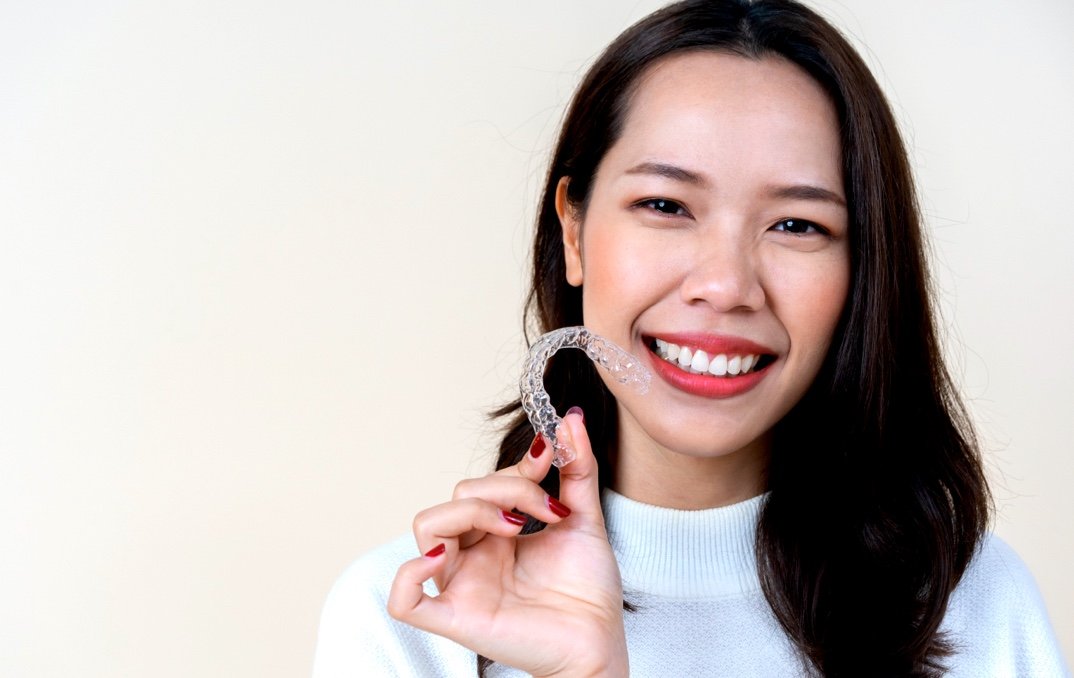
  • Orthodontic treatment: Braces or clear aligners to move the incisors backward and align them properly with the dental arch. Takes months to a year or more.
  • Composite bonding or enameloplasty: Reshaping the front teeth (reducing length/size) or bonding resin to adjust shape and visual appearance. Faster, less invasive.
  • Porcelain veneers or laminates: When tooth shape or size is disproportionate, veneers can “cover” the front teeth to correct appearance quickly. Some enamel removal is required.
  • Combination methods: In more complex cases, orthodontics followed by veneers or bonding may be recommended for ideal aesthetics and function.

Why Choose Seoul for This Treatment?

  • Many clinics in Gangnam, Apgujeong and other Seoul districts specialise in cosmetic-dental and orthodontic solutions tailored for international patients. For example, protruding front teeth (“buck teeth” / overjet) are described as a treatment category in several Seoul clinic listings.
  • English-speaking staff and foreign-patient support is widely available.
  • Good access to advanced equipment and modern cosmetic dentistry techniques (digital scans, veneers, aligners).
  • Competitive pricing relative to many Western countries, making travel for a comprehensive aesthetic fix more attractive.

What to Ask & Check Before Your Appointment

  • Which treatment method is best for your case (orthodontic vs aesthetic)?
  • Estimated duration: How many months will braces/aligners require? How many visits if choosing veneers/bonding?
  • Cost breakdown: Does the quote include consultation, imaging (X-ray/scans), materials, follow-ups?
  • Materials & technique: For veneers, what brand/material is used? For orthodontics, clear aligner vs braces?
  • Aftercare & warranty: Will there be follow-up visits? What happens if alignment shifts after treatment?
  • International patient support: Language service, coordination of travel/stays, anywhere to stay near the clinic for multiple visits.

Feasibility for International Patients

If you’re travelling to Seoul for this treatment:

  • Orthodontic treatments (braces/aligners) require multiple visits and possibly staying for extended time.
  • Aesthetic treatments (bonding/veneers) can often be done quicker, making them more travel-friendly.
  • You’ll need to factor travel time, accommodation and allow buffer for follow-up.
  • Ensure your local dentist is informed for after-care once you return home.

Final Thoughts

Yes — you can get “bunny teeth” corrected in Seoul, Korea with high standards and international-friendly clinics. The key is to pick a clinic experienced in aesthetic/orthodontic front-teeth corrections, ask the right questions, and plan the logistics (time, travel, follow-up).


January 7, 2026
Dental Implants and Quality of Life Improvement Dental implants do more than restore missing teeth—they can significantly improve a patient’s overall quality of life. From functional benefits to psychological and social impacts, implants provide lasting positive effects. Functional Improvements Chewing Efficiency : Implants restore normal bite force, allowing patients to eat a wider variety of foods comfortably. Speech Clarity : Missing teeth can affect pronunciation; implants help restore natural speech patterns. Oral Health : Implants prevent bone loss and maintain adjacent teeth alignment, supporting long-term oral health. Aesthetic Benefits Natural Smile : Implants look and feel like natural teeth, enhancing overall appearance. Facial Structure Support : Implants preserve jawbone and soft tissue, preventing a sunken or aged appearance. Confidence Boost : A complete, natural smile improves self-esteem and social interactions. Psychological and Social Benefits Improved Self-Esteem : Patients often report increased confidence in personal and professional settings. Reduced Anxiety : Knowing implants are stable and long-lasting reduces stress related to missing teeth or removable dentures. Enhanced Social Life : Patients feel more comfortable smiling, speaking, and engaging in social activities. Special Considerations Long-Term Care : Implants require proper oral hygiene and regular dental check-ups for maximum benefit. Customized Treatment : Treatment plans should be tailored to patient needs, including bone grafting or digital planning if required. Adaptation Period : Patients may need time to adjust to implants, especially if replacing multiple teeth or full arches. Final Thoughts Dental implants can dramatically enhance quality of life by restoring function, aesthetics, and confidence. Unlike removable dentures or bridges, implants provide long-term stability and natural appearance, improving both physical comfort and psychological well-being. With proper planning, advanced techniques like digital imaging, and attentive post-operative care, implants can transform a patient’s daily life—allowing them to eat comfortably, speak clearly, smile confidently, and engage fully in social and professional activities. Overall, dental implants are more than just a dental treatment—they are an investment in lifelong oral health and quality of life.
January 7, 2026
Dental Implant for Missing Teeth After Trauma Trauma, such as accidents or injuries, can result in the loss of one or more teeth. Dental implants are an effective solution for restoring function, aesthetics, and oral health in patients who have lost teeth due to trauma. Challenges of Tooth Loss After Trauma Bone Damage : Traumatic injuries can damage the jawbone, complicating implant placement. Soft Tissue Injury : Gums and surrounding tissues may be injured or scarred, affecting aesthetics. Adjacent Teeth : Trauma may also affect nearby teeth, requiring careful assessment. Emotional Impact : Tooth loss from trauma can affect self-esteem and confidence. How Implants Help Restoring Function : Implants replace missing teeth, allowing normal chewing and speech. Preserving Bone : Implants stimulate bone, preventing resorption and maintaining jaw structure. Aesthetic Recovery : Properly placed implants support soft tissues and restore a natural smile. Long-Term Stability : Implants provide a durable solution that can last decades with proper care. What Affects the Price? Several factors influence the cost of implants after trauma: Severity of trauma : More extensive injuries may require bone grafts, soft tissue repair, or multiple implants. Number of teeth missing : Single tooth vs multiple teeth replacement. Type of implant and restoration : Titanium vs zirconia, standard crown vs customized prosthetics. Location and clinic type : Premium clinics or central Seoul locations may charge more. Diagnostic imaging : X-rays or CBCT scans may be needed to assess trauma damage. Anesthesia/sedation : Sedation or general anesthesia increases cost. Insurance coverage : Korean NHIS may cover part of the procedure depending on the case; foreign patients pay privately. How to Plan & What to Ask the Clinic Ask: “Does the quote include bone grafting if needed?” Ask: “What type of implant and restoration are included?” Ask: “Will sedation or general anesthesia be used?” For foreign patients: confirm English support and transparent pricing. Consider recovery: swelling, follow-up visits, and time off work. Verify insurance coverage (NHIS or private) if applicable. Final Thoughts Dental implants after trauma offer a reliable way to restore both function and aesthetics. Costs vary depending on injury severity, bone condition, and number of teeth replaced. Planning with a skilled implant dentist, understanding what’s included in the quote, and confirming post-op care are key to achieving the best outcome. If you’ve experienced tooth loss due to trauma, consult a reputable clinic in Seoul, discuss your treatment options, and proceed with confidence knowing you can restore your smile safely and effectively.